Between renewal and continuity, the election of the next Secretary-General of the Organisation internationale de la Francophonie (OIF) is set to take place in November in Cambodia, following two terms led by Rwanda’s Louise Mushikiwabo, a close ally of President Paul Kagame.
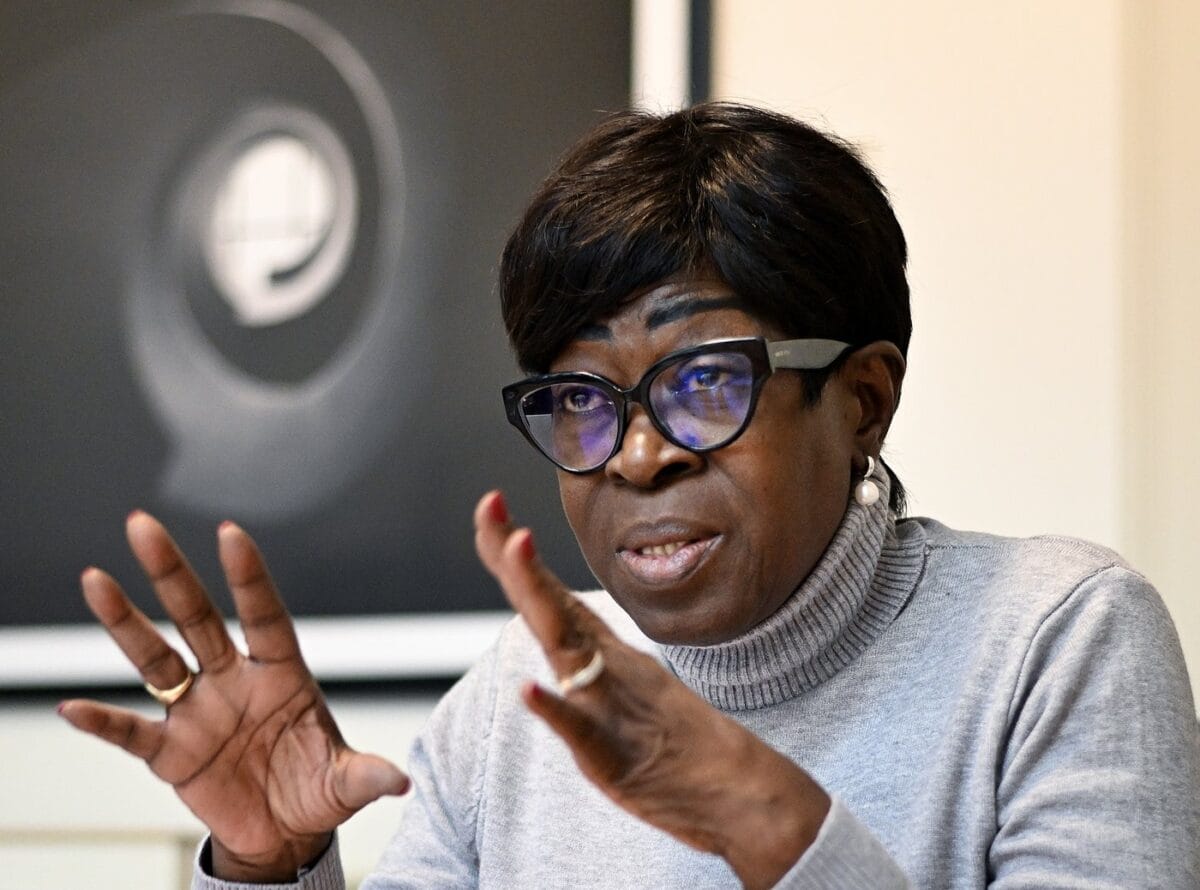
Amid the network-driven diplomacy surrounding the Rwandan candidate, the Democratic Republic of the Congo is advancing what it presents as a popular candidacy: that of Juliana Lumumba, daughter of Africa’s independence icon, Patrice Lumumba. Since her nomination, the Lumumba candidacy has stirred engagement across the Francophone world and sparked renewed debate in the digital space.
Under the banner “Nine new priorities for a renewed Francophonie,” Juliana Lumumba is advocating for a more united and action-oriented Francophonie one capable of strengthening ties among peoples while promoting peace and the sovereignty of member states. Her candidacy is backed by the Democratic Republic of the Congo, recognized as the largest French-speaking country in the world.
In recent months, Ms. Lumumba has held meetings with several African heads of state, including Denis Sassou Nguesso, Bassirou Diomaye Faye, Mohamed Ould Cheikh El Ghazouani, Faure Gnassingbé, and Faustin-Archange Touadéra, among others.
The election comes at a time of heightened geopolitical tension, as the international community has accused Rwanda of exploiting the Democratic Republic of the Congo’s natural resources through the armed group M23. This context adds further weight to the political significance of the upcoming vote.
Juliana Lumumba has also conducted a working visit to Canada, where she met with the country’s Minister of Foreign Affairs as well as members of Parliament. In Quebec, several public demonstrations were organized in support of her candidacy, reflecting growing mobilization within Francophone communities abroad.
Beyond the electoral dynamics, the Lumumba name continues to carry enduring symbolic power. Decades after his death, Patrice Lumumba’s legacy remains deeply embedded across continents. Streets, universities, schools, public squares, and cultural institutions in cities such as Algiers, Cairo, Bamako, Maputo, Luanda, Brussels, Berlin, Moscow, Kinshasa, the Paris region, and Brazzaville bear his name.
A unifying and mobilizing figure, Lumumba commands respect both in the Democratic Republic of the Congo and internationally. His legacy, widely regarded as that of a historic leader, continues to resonate across generations.
As the Francophone world approaches the November 2026 election in Cambodia, the name Lumumba has once again taken center stage in international discourse.
M. Odhiambo